My Reading Strategy for 2026: A Four-Book Rule
How I’ll be reading in 2026.
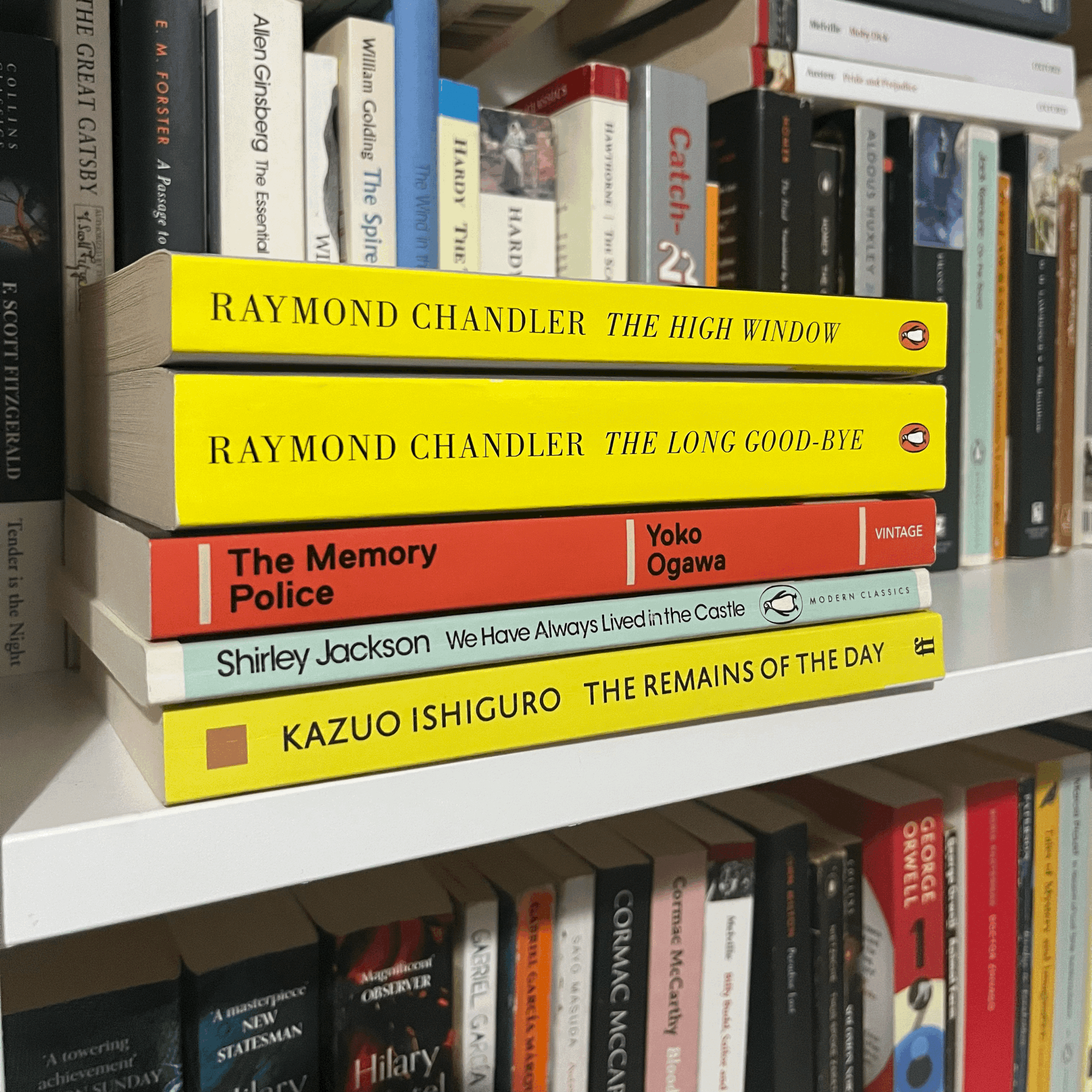
Over the years, I’ve learned something important about my reading life: when it’s left to chance, it gets crowded out. When it’s intentional, it becomes one of the most formative rhythms of my day. So for 2026, I’m adopting a simple but structured approach—a four-book reading strategy designed to fit real life, limited time, and changing energy levels.
At any given moment, I’ll be reading four books simultaneously, each with a clear purpose.
1. One Non-Fiction / Professional Development Book
This is my morning book. It will usually be theology, leadership, professional development, or something connected to learning a new skill or thinking more clearly about work, faith, or life. I’ve noticed that my best thinking happens early in the day, before the noise sets in, so this is where I want to invest my freshest attention.
These books shape how I see the world—and, by extension, how I write about it. Clarity of thought, moral seriousness, and intellectual discipline all have a way of showing up on the page, whether you intend them to or not.
2. One Literary Classic / “Great Book”
Alongside that, I’ll always have one literary classic on the go. This is the slower, richer reading—the kind that stretches language, imagination, and moral vision. These books demand patience. They reward close attention. They remind me what is possible with words when time, care, and ambition are taken seriously.
As a writer, this is where I’m schooled in voice, depth, and restraint—how much can be said indirectly, and how often the most powerful moments are the quiet ones.
3. One Crime / Fiction / Pulp Novel
This is where momentum lives. Crime, fiction, or pulp—books written to be read, not studied. These are often page-turners, and they remind me that reading should also be fun. Story matters. Plot matters. Pace matters.
This category is also deliberate because it’s the kind of book I write. Reading widely and attentively in this space keeps me grounded in the mechanics of storytelling—how scenes move, how tension is sustained, how dialogue works, and how clarity can carry weight. These books are craft lessons in disguise, and I want to stay immersed in the tradition I’m actively working within.
4. One Wild Card (Kindle Book)
Finally, there’s the wild card: a book installed on my Kindle that goes everywhere with me. This is my “stolen moments” book—the one I read while waiting, travelling, or filling small gaps in the day. It could be fiction, non-fiction, experimental, odd, or unexpected.
This category leaves room for surprise and curiosity—two things every writer needs. Not everything has to be purposeful to be useful.
To make this work, I’ve planned three primary reading blocks each day:
Morning – Non-fiction / theology / professional development
Lunch – According to mood
Before bed – According to mood
I’ll also be carrying my Kindle with me wherever I go. To support that choice, I’ve deleted all scrolling apps from my phone. No doomscrolling, no accidental time loss—just the hope that when I reach for distraction, I’ll reach for a book instead.
This strategy isn’t about reading more for the sake of numbers. It’s about reading better—with intention, balance, and realism. Different books serve different purposes, and together they shape how I think, how I pay attention, and how I write.
Time will tell how well it works. But for now, it feels like a sustainable way to keep reading—and learning—at the centre of my life in 2026.
If you’re interested in the books I’m reading this year, I share all my reading activity on Goodreads. I’ll be updating it regularly throughout 2026, and you’re very welcome to follow along. https://www.goodreads.com/author/show/29640087.Jodie_Gaston
How Short Stories Sharpen a Novelist’s Instincts
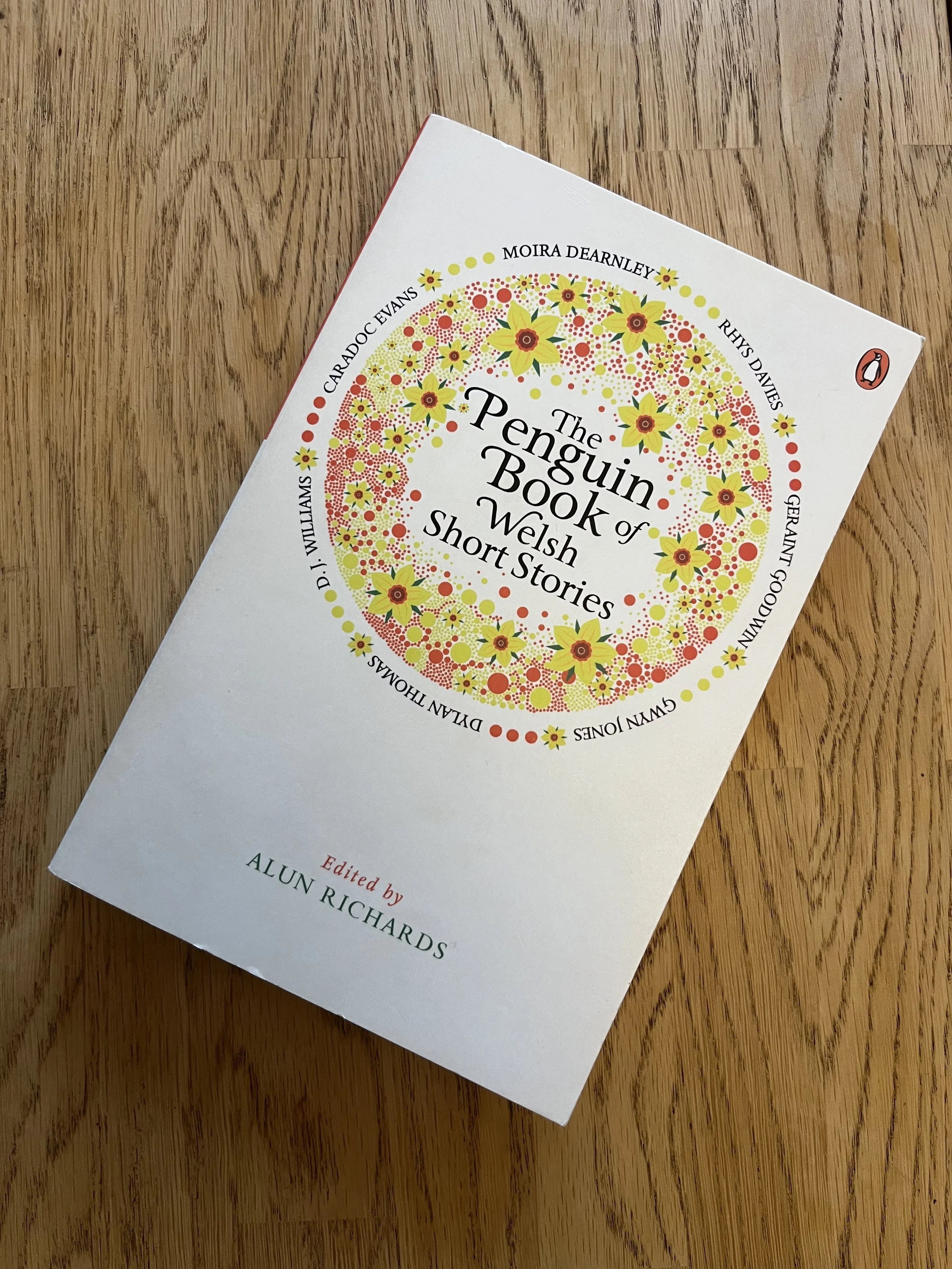
I first realised the value of short stories as a training ground while reading one of Jack London’s shorter pieces. A particular scene felt familiar. After a moment, I realised why: I’d read a version of it before in White Fang. What London seemed to be doing was working something out, testing the mechanics of a scene, before letting it grow into something larger.
Comedians do the same thing. They test material in small rooms before stepping onto bigger stages. Short stories, I think, serve a similar purpose for novelists.
The compactness of the form leaves very little room to hide. There’s no space for sprawling world-building, side plots, or indulgent dialogue. A short story forces the writer to concentrate on structure, on what actually makes a story work. Every element has to earn its place. That pressure sharpens instincts in a way that longer forms sometimes delay.
Reading short stories has been just as important for me as writing them. They’ve allowed me to encounter a wide range of authors without the commitment of a deep dive into each one. That exposure alone has made me a more rounded writer. But more than that, short stories have taught me how stories are built.
I once read an article by a writer who described how, in her early writing classes, she’d been taught to construct stories by stringing together scenes, much like a screenwriter. She later realised this was terrible advice, not because scenes don’t matter, but because she didn’t yet understand plot. It wasn’t until she grasped how stories are shaped at a structural level that her writing began to work.
Short stories make that structure visible. In a novel, plot can be harder to see because it’s spread across so many scenes and digressions. In a short story, the bones are exposed. You can see how tension is introduced, developed, and resolved, often in a way that’s harder to spot over 90,000 words.
They’re also incredibly useful for working the kinks out of storytelling. A short story can help you think through how a conversation might unfold, or clarify a character’s internal motivations and inner dialogue. They’re a safe place to explore backstory too. Even if that backstory never appears on the page, understanding it can profoundly shape how a character behaves in a larger work.
In that sense, short stories don’t compete with novels. They support them. They sharpen judgment, strengthen intuition, and train the writer to recognise when a moment is doing real work, or when it’s simply taking up space.
For novelists, short stories aren’t a detour. They’re a workshop.
Why I Failed to Finish War and Peace — and What It Taught Me About Reading
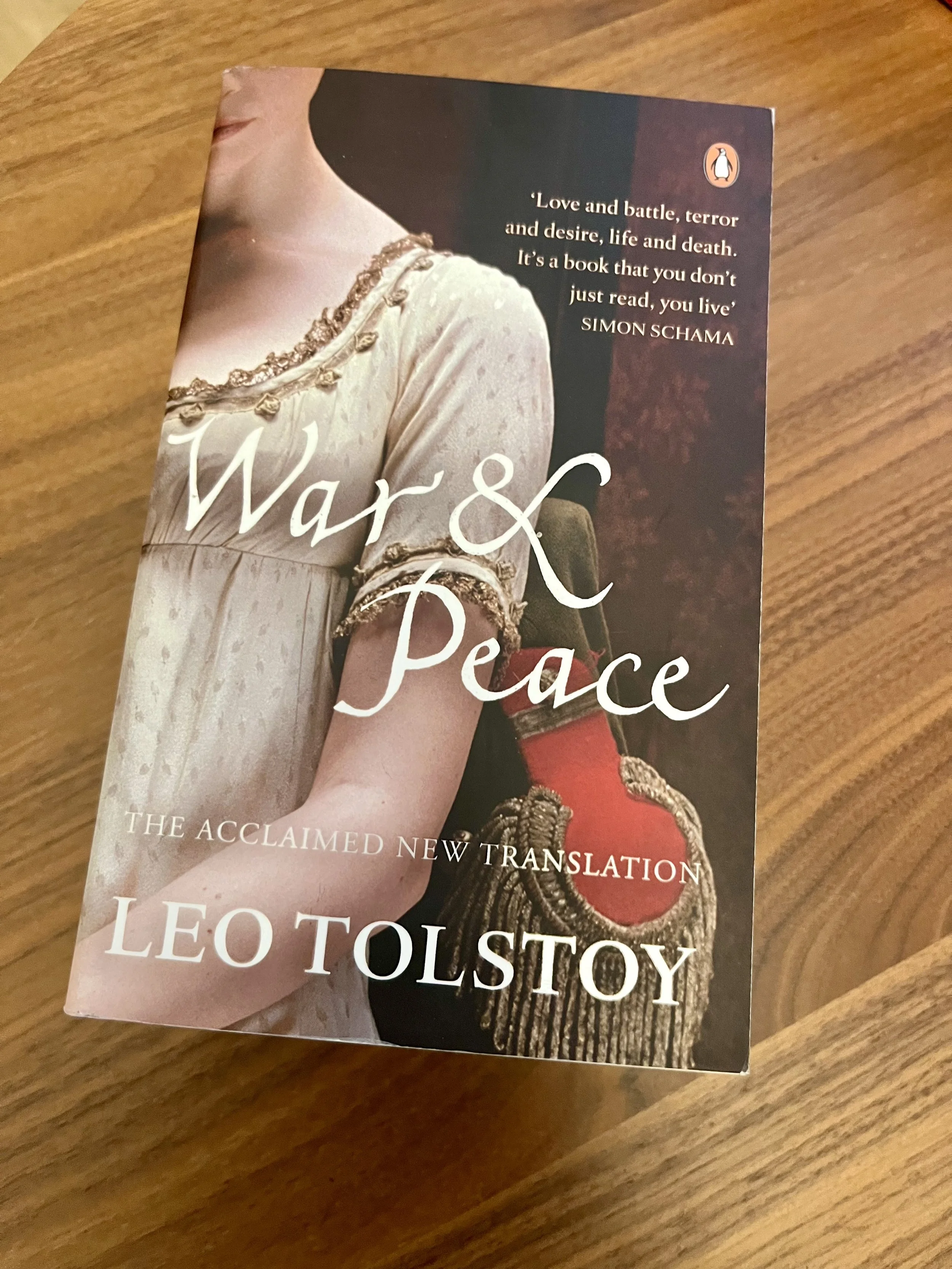
Failing to finish War and Peace didn’t make me feel like a lesser reader; it helped me reclaim my own motivations. Sometimes stepping away from a classic is the very thing that leads you back to the joy of reading.
I first tried to read War and Peace at university, back when I was studying History and still believed there was a list of books you were “supposed” to read if you wanted to be a serious thinker. Literature and history intersect in fascinating ways, so Tolstoy felt like a rite of passage. It was the book, the great, the mighty, the essential, and everyone said it was worth the effort. So of course I dove into the deep end, determined to be the person who had conquered the Russian giant.
And to be fair, there was something that drew me in. I’ve always loved stories where major historical events brush against the everyday lives of ordinary people. Gone with the Wind is a great example of this. Scarlett O’Hara’s life is shaped by the American Civil War, but the story is not about the war itself. It’s about how the events around history press, shape, and limit the characters’ experience. War and Peace has that same quality. The history is not the story; the people living through it are.
But here’s the truth: it didn’t matter how much the premise appealed to me. Life simply didn’t give me the attention span required for Tolstoy’s marathon of a story.
Why I Put It Down
We live in a world of shrinking attention spans and exploding content. I have shelves of books I want to read, genuinely want to, but between work, family, responsibilities, and my own writing, the time just evaporates. And I’m a slow reader on top of it all, which doesn’t help.
The sheer length of War and Peace became the biggest obstacle. I wasn’t bored; I was overwhelmed. It’s hard to justify dedicating months literal months to one book when there are dozens of others I want to read.
When I finally admitted that I wasn’t going to finish it, at least not then, the main feeling was guilt. This is War and Peace. You’re “supposed” to finish it. Real readers read this book, right?
But somewhere along the way, maybe with age and perspective, that guilt softened. I realised I was chasing someone else’s definition of legitimacy. I wanted the credit of having read it more than I wanted the actual experience.
What It Ended Up Teaching Me
Stepping away from Tolstoy taught me two big things.
First:
External motivations are nowhere near as powerful as internal ones. Reading something because you think you should is a terrible reason to read. And the same goes for writing. In a world where so many books are shaped by algorithms and market demands, your own internal motivations matter more than ever. That’s where the joy is. That’s where the longevity is.
Second:
Failing to finish one enormous masterpiece opened my eyes to the beauty of shorter forms — short stories and novellas. They allow you to experience the voice and vision of a great writer without committing to a thousand pages of it. And honestly? Some of those shorter works are extraordinary. Tolstoy’s “How Much Land Does a Man Need?” is one of the greatest stories ever written, and it’s barely a sliver compared to his novels.
Not finishing one giant book ended up giving me dozens of brilliant smaller ones.
What I’d Tell Someone in the Same Boat
Start with what you want to read, not what the world says you should read. Some readers adore Jane Austen. Others don’t connect with her at all. That’s fine. Reading isn’t a moral test.
And don’t overlook the short works of great writers. If the big novels feel intimidating, begin with their shorter pieces. It’s a wonderful way to experience their genius without rearranging your entire life.
Will I Ever Try Again?
Yes. I actually plan to. But not by sitting down and trying to plow through it like a university assignment.
This time, I’ll read it on my Kindle, a few pages at a time, in quiet little pockets of life, not in grand heroic sweeps. I’ll no longer be trying to “conquer” Tolstoy. Instead, I’m going to try to enjoy him.
The Bigger Meaning
As I’ve gotten older, I’ve realised something simple but freeing:
Time is limited. Good writing is abundant.
The goal isn’t to read everything. It’s to read richly.
There’s so much good storytelling in the world and being exposed to a broad range of it makes all of us better writers, better thinkers, better observers. It even helps us recognise where certain genres get stuck — fantasy, for example, has passionate worldbuilders but also more than a few authors who could benefit from reading outside their own echo chamber.
Sometimes the best thing you can do for your reading life is step away from the books you’re “supposed” to read and wander into the ones that genuinely excite you.
I thought finishing War and Peace would prove something about me as a reader but not finishing it taught me how to read for myself.

Why I write about ordinary people pushed to their limits.
I’ve never been drawn to superheroes with perfect timing or polished edges. My characters are ordinary people — the kind you might pass on the street or sit next to at the pub. People who get things wrong, lose their tempers, and still try to do right. The reality is that people are flawed. And yet, that’s where the truth lives.
Part of it comes from what I believe: every person is created in God’s image. Our culture tends to worship wealth, power, and celebrity. But I’ve learned that the powerful aren’t usually better people — they’ve just had help, or luck. The real stories worth telling are in the quiet corners, where no one’s paying attention.
In my books, the characters live there. Ray, the investigator who can’t stop chasing the truth even when it hurts him. Heather, the publican who holds her broken community together with pint glasses and patience. Rachel, trying to change things from inside a system that keeps breaking. They’re all flawed, but they still hope what they do matters.
I write them this way because the world makes it hard to hold onto your values. It’s easier to keep your head down, not make waves, let small compromises stack up. But stories like these remind me — and maybe the reader — that it’s still worth standing by your principles, even imperfectly.
The tone of my books reflects that. The plots don’t race — they plod, steady and procedural, one small step after another. The characters get knocked down, but they keep pressing on toward the goal. Hope isn’t a grand rescue; it’s survival with purpose.
In a world flooded with outrage and noise, I think it matters to tell quieter stories. Ones that don’t try to fix everything — just the patch of ground right in front of them. That’s what Ray does. That’s what I want my writing to do.